Matthew's avatar

Hi, I'm Matthew

I'm a dev who loves building things that push me to learn and improve.

A bit more context

Winner of the PROD Software Engineering Olympiad
Medalist in the Higher Standard Olympiad of the Higher School of Economics
Medalist in the Moscow School Olympiad in Economics
Medalist of the regional stage of the All-Russian School Olympiad in Economics

Current focus

I'm constantly learning and trying to improve my skills. Right now I'm especially interested in programming and economics. It seems to me that the future belongs to people with a broad mix of skills: technical, managerial, and creative.

How it started

Despite my parents' early attempts to teach me programming, I only became genuinely interested in it when I was 14. Right before winter break, I got bored and wanted to challenge myself by doing something I definitely did not believe I could handle. I asked a friend who studied computer science at school where I should start. He suggested Python, and that is how my path in development began.

How I work

I've long noticed that when you learn something exactly at the moment you need to apply it, understanding becomes deeper and practical experience arrives alongside theory. I try to use this approach not only in programming but in any other area that involves exploration and research.

Tech I love and actually use

A few things I've built

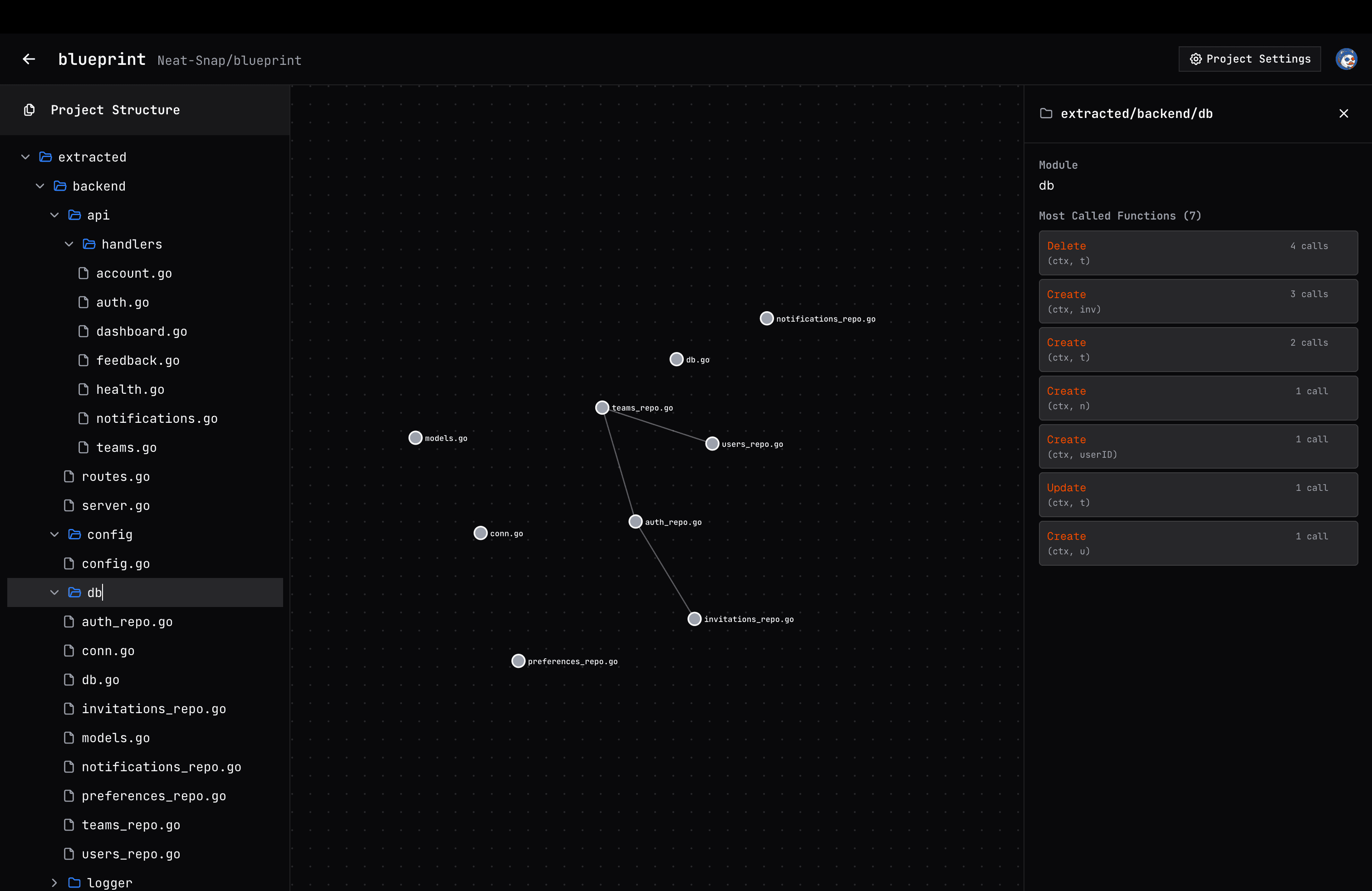
Codegrasp.dev

Codegrasp.dev

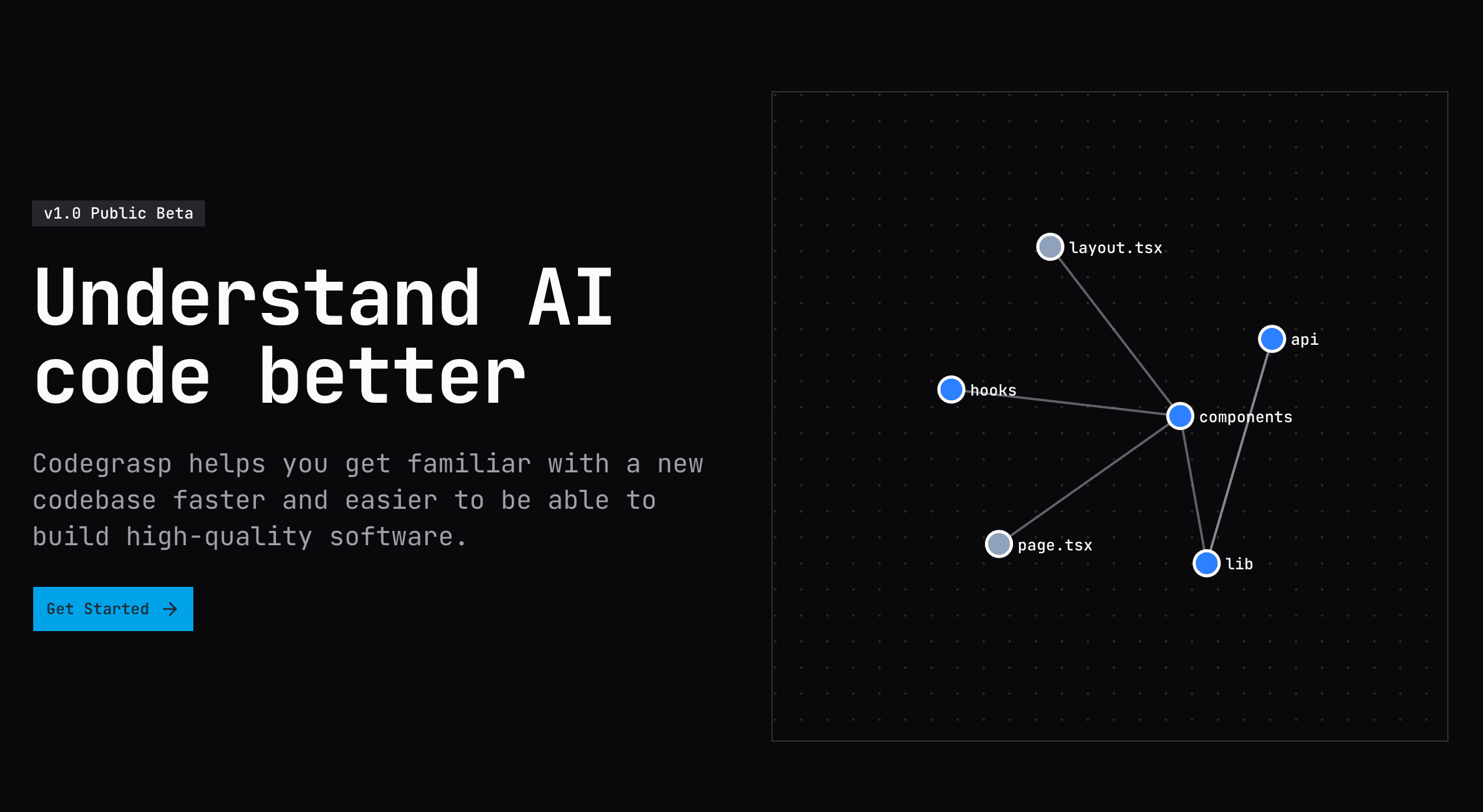
A platform for understanding unfamiliar codebases faster through repository analysis and interactive graph visualization.

Visit
Codegrasp.dev

I created this project together with my former classmate, Ivan Kochergin. The idea came from a very practical frustration I had: trying to understand somebody else's messy codebase and wasting a lot of time jumping between files, guessing everything and reconstructing all logic manually. With Codegrasp, the goal was to make that first contact with an unfamiliar repository much easier. The product is built around repository analysis, graph for visualization and call tracing, so you can move between structure and source code without losing context. It works with both public and private GitHub repositories and keeps the graph view in sync with the code so developers can inspect definitions and usages side by side. I am not actively maintaining the project right now because school takes most of my time, but I still think the core idea has a lot of potential.

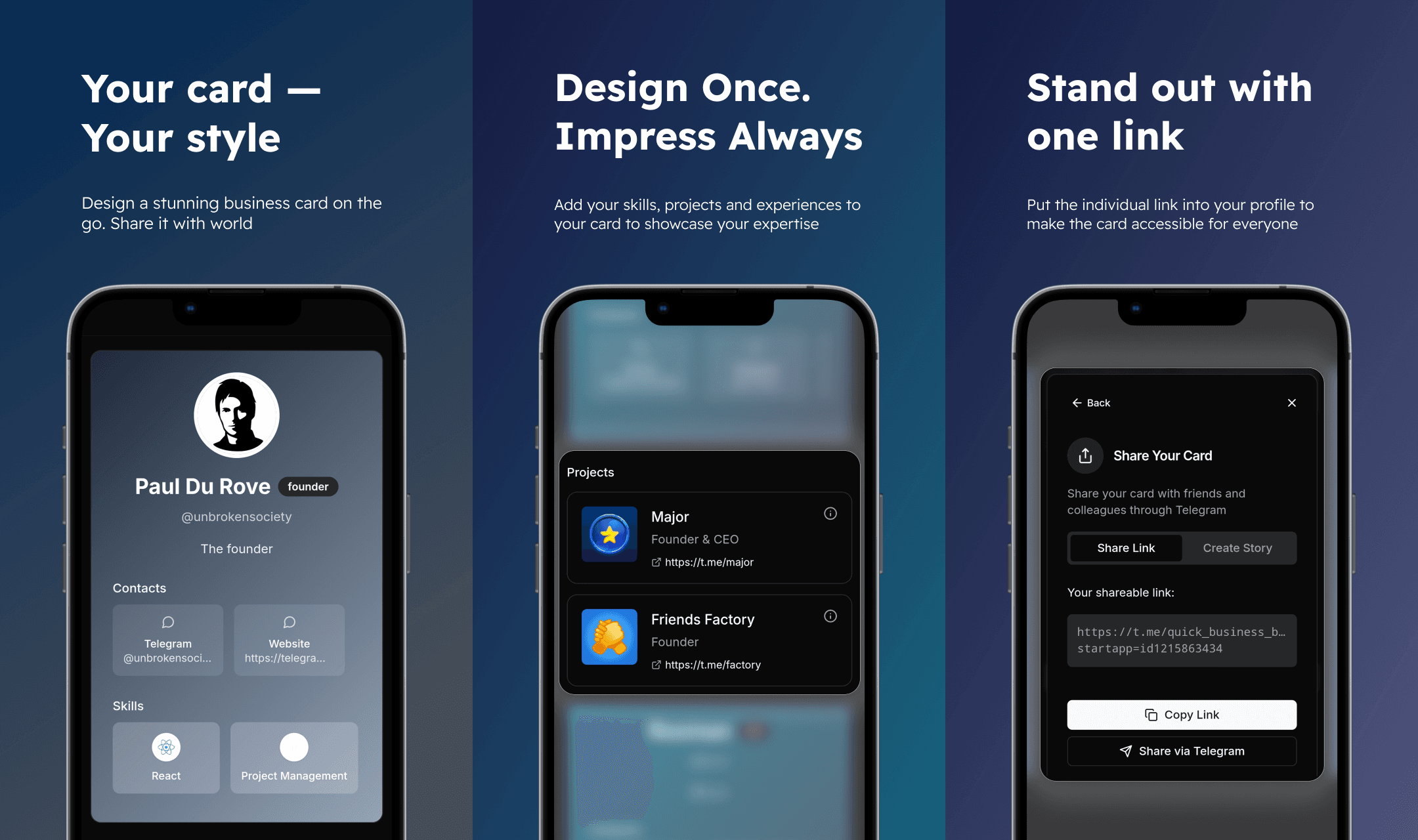
Quick Cards

Quick Cards

A Telegram profile customizer created to overcome the platform's limited built-in options. Featured on Telegram Apps Center.

Visit
Quick Cards

The idea behind Quick Cards came from the lack of customization options in Telegram profiles. I was inspired by tools like Linktree and wanted to bring something similar to the world of Telegram Mini Apps. At the same time, I really wanted to get more hands-on experience with full-stack development using Next.js and Python. My goal was to let users add their projects, experience, and contacts in a more flexible and customizable way with colors, gradients, statuses, and more. After customizing their card, each user could get a personal link to their page and share it anywhere across Telegram, including in their default profile. After a couple of weeks of coding, I listed the app on Telegram Apps Center, and it even reached fifth place in the Productivity category. That really made me realize that what I built brought value to people. Overall, it was an amazing learning experience, and I gained a lot of insight from early user feedback on how the app could be improved.

LabrioMap

LabrioMap

A labor market data analysis service built as my MYP personal project. One of my first websites, so brace yourself for some rookie design choices.

Visit
LabrioMap

This project was built as the product for my MYP Personal Project at Letovo School. The idea came from my interest in parsing and web scraping, which fascinated me at the beginning of my programming journey. I wanted to combine the skills I already had with new ones I could learn along the way, such as web development and deployment. So I decided to create a service that allows people to access labor market statistics across different countries for various job titles. The amount of experience I gained during this project was, without a doubt, the most I've ever had in such a short time. It was my first time building layouts, working with JavaScript and React, and deploying a project on a Linux VPS. Even though I personally think the value of school personal projects is often a bit overrated, this one turned out to be a perfect opportunity for me to move from theory and LeetCode-style problems to real-world development. I'm genuinely thankful to Letovo School and Mr. Gurovits, my project supervisor, for guiding and supporting me throughout this incredibly interesting path.

This website

This website

The site you're on right now ;)

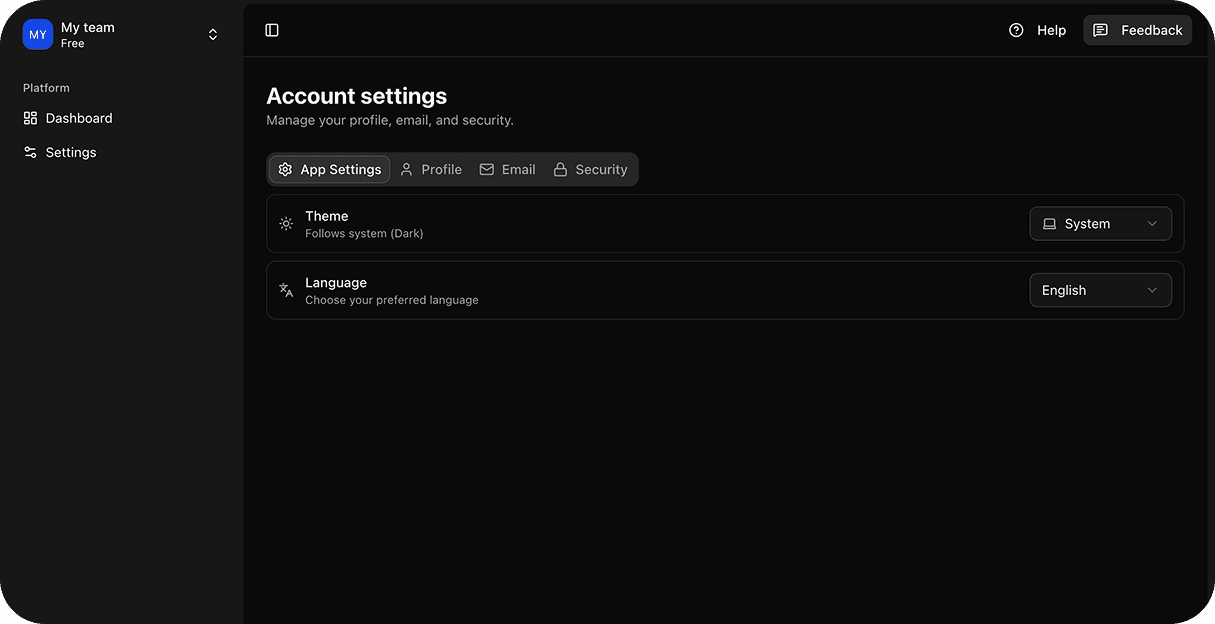
Blueprint

Blueprint

A modular boilerplate with authentication, user and team management, notifications, and collaboration so I can launch new projects faster.

Visit
Blueprint

At some point I reached a stage where I didn't have a specific project to build, but I still wanted to practice and improve my skills. That's why I decided to create a project template that I could later reuse to start new apps faster and jump straight into business logic. In this template I implemented a fully featured authentication system with both traditional methods and social logins, workspaces, team management, email notifications, pre-made UI, and more. It was a really fun project to work on, and I genuinely think it has made my workflow much faster. I'm already using it in a couple of projects currently in development, and it has saved me a lot of time that I'd otherwise spend writing auth for the fifth time. So yeah, feel free to clone it and use it for your own apps.